On 28 May 2026—my final day living in Tokyo—I wheeled my suitcase through the city’s central station. As I made my way towards the platform, I found myself reflecting on the year I had spent living and working in one of the world’s busiest cities.
Only a year earlier, I had moved to Tokyo to begin my career as a web developer. To shorten my daily commute, I rented a tiny room in the heart of the city. Like many people who move to a large city, I expected convenience to make my life easier and more comfortable.
Instead, I found myself feeling physically and mentally drained.
At first, I assumed my long working hours were only to blame. But as the months passed, I realised that the problem lay beyond my job. It was the environment around me.
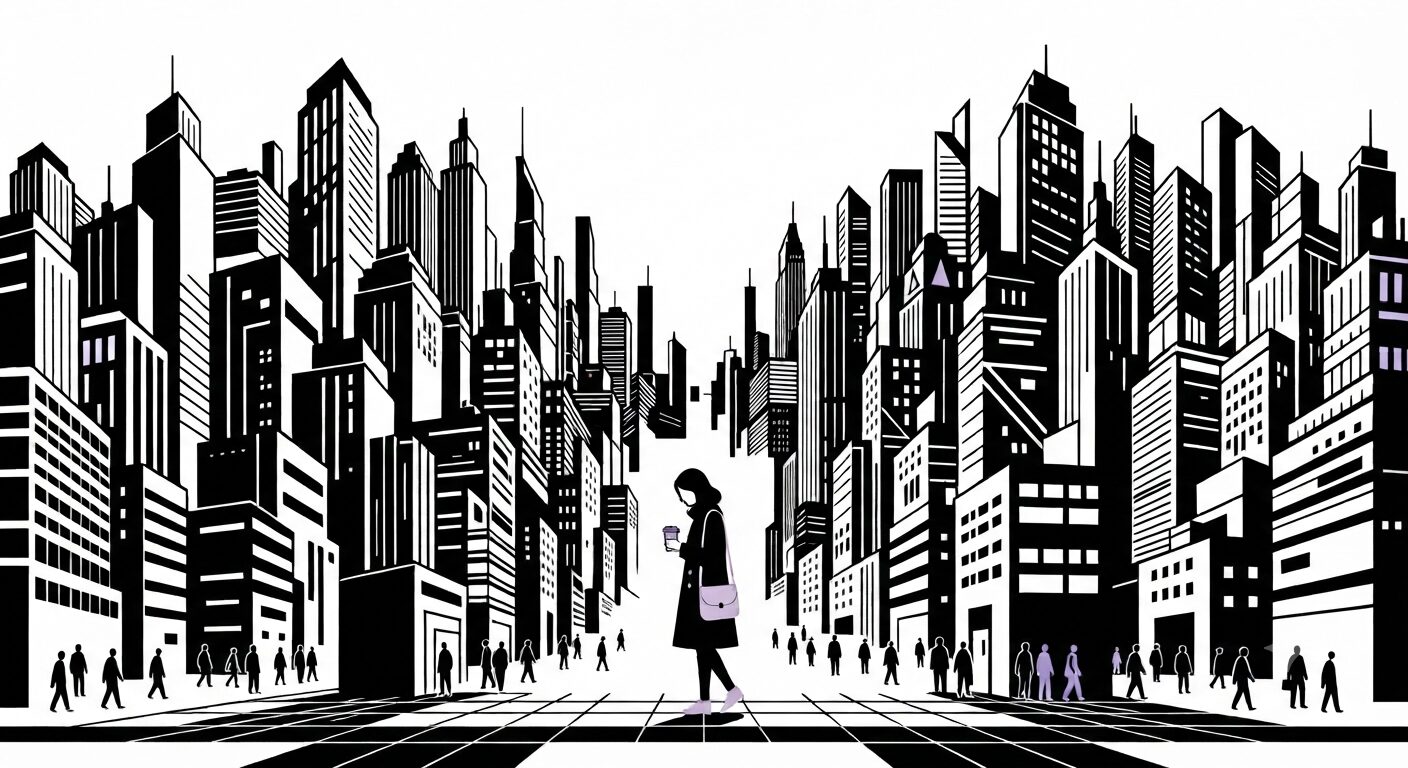
The constant crowds, cramped living spaces, and difficulty finding places to pause gradually wore me down. Eventually, I realised that what I had been missing was something surprisingly simple: space.
What Is Metropolitan Fatigue?
I use the term “metropolitan fatigue” to describe the exhaustion that comes from living in dense urban environments.
One reason people feel overwhelmed in large cities is a lack of space. By “space”, I do not mean only the physical distance between people or buildings. It also means having time to pause, access to natural surroundings, and the mental space to think without feeling constantly rushed or pressured.
When these forms of space become scarce, daily life can begin to feel exhausting, even if a city offers exceptional convenience.
In my experience, this lack of space affected almost every part of daily life. I lived in a small apartment where I could often hear my neighbours through the walls. The room contained little more than a bed and a desk, leaving hardly any room to stretch or even do yoga.
The workplace offered little relief. Long working hours left few opportunities to pause, and there was an unspoken expectation to spend even more time on self-improvement outside of work. Conversations often involved comparing experience, age, or ability, which sometimes created a subtle competitive atmosphere.
During lunch breaks, I often searched for somewhere to escape the noise. I walked into cafés hoping to find a quiet corner, only to discover that most were already crowded. Even the few cafés with spacious interiors were usually full.
Over time, I began to feel as though my personal boundaries were constantly being invaded. There was always another person, another building, or another source of noise competing for my attention. Although Tokyo is widely admired for its convenience and efficiency, I found that those qualities often came at the expense of space—physical, mental, and natural.
Before moving there, I imagined city life would be exciting and liberating. Instead, I found myself constantly searching for places to simply slow down and think. That experience led me to question whether metropolitan fatigue is always the result of individual resilience. In my case, I came to believe that the environment itself played a far greater role than I had expected.
This experience is closely related to how we process information in daily life.
→ Information Overload and the hidden cost of unlimited information.
How to Reduce Metropolitan Fatigue
The good news is that metropolitan fatigue is not something we simply have to accept. Small changes to our daily routines can create more physical, mental, and natural space, helping us enjoy the benefits of city life without becoming overwhelmed.
Create More Personal Space
One of the most effective changes is to create more space in your everyday life. This does not necessarily mean moving to a larger home. Instead, look for places that allow your mind to slow down.
Museums, for example, are often quieter than shopping centres or cafés. They offer room to walk, observe, and think without constant noise or distraction. Rather than demanding your attention, they encourage quiet reflection.
Another simple habit is to wake up earlier. In the early morning, streets, trains, and cafés are usually much quieter. That extra space allows you to focus on your work, think more clearly, and begin the day at a calmer pace.
Be Selective About Going Out
Rather than going out whenever you have time, consider planning your trips more intentionally. Visiting a café when it opens, for example, allows you to enjoy the atmosphere before it becomes crowded. Likewise, deciding exactly where you want to go helps you avoid spending unnecessary time in busy shopping districts.
A little planning can reduce both stress and sensory overload. Instead of reacting to the city, you begin choosing how and when to experience it.
Make Time for Nature
Finally, make time for nature, even if only for a few minutes each day. You do not need to spend an entire weekend in the mountains or by the sea. A walk along a tree-lined street, a nearby river, or a local park can provide a welcome break from the intensity of city life.
These moments create mental space, helping you slow down, regain perspective, and recover from the constant stimulation of metropolitan life.
What Changed for Me
After adopting these habits, I found that I could use my energy much more intentionally. Of all the changes I made, being selective about when and where I went out had the greatest impact on my daily life.
For example, when attending concerts, I stopped queuing for merchandise before the performance. Instead, I saved my energy for what mattered most—the music and the artists on stage. As a result, I found myself enjoying the performances far more deeply, and the entire experience became much more memorable.
Looking back, I realised that the goal was never simply to conserve energy. It was to spend that energy on the experiences that mattered most to me.
Conclusion
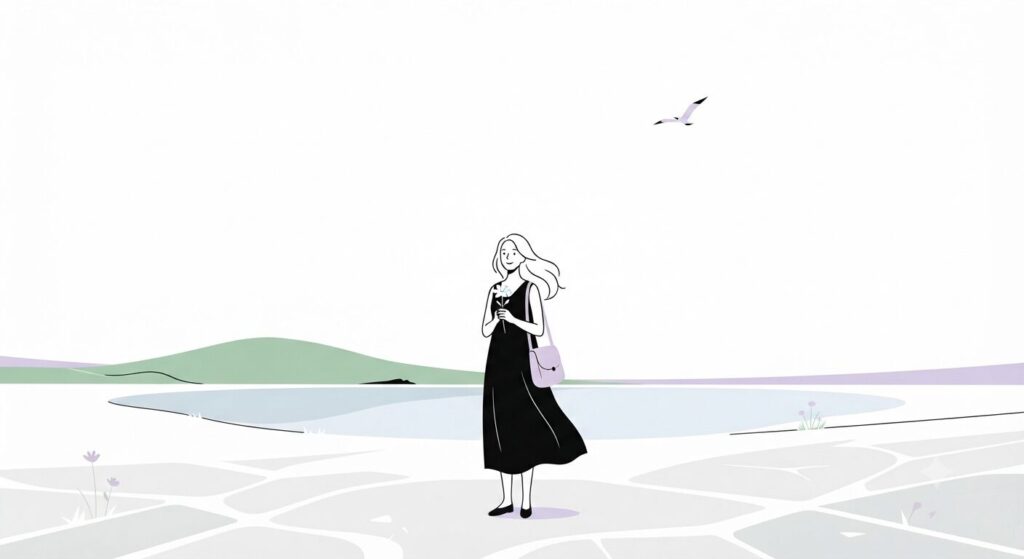
As my train pulled away from Tokyo on that final day, I realised I was leaving with more than a suitcase. I was leaving with a different understanding of what makes a city enjoyable to live in.
For a long time, I believed that my exhaustion came only from my work. Looking back, I now think the environment played a much greater role. Living in one of the world’s most convenient cities taught me that convenience alone does not guarantee a high quality of life. Without enough physical, mental, and natural space, even the most exciting city can become overwhelming.
Metropolitan fatigue is not necessarily something we need to escape by leaving a large city altogether. In many cases, it can be reduced by creating more space in everyday life—choosing quieter places, planning our time more intentionally, and making room for nature whenever possible.
Cities will continue to become larger, faster, and more connected. Perhaps the challenge is not learning how to keep up with that pace, but learning how to protect the space that allows us to think, recover, and enjoy the experiences that matter most.
If there is one lesson I took away from my year in Tokyo, it is this: quality of life is measured not only by convenience, but also by the space we preserve for ourselves.
If you’re interested in how environments shape attention, you may also like:
→ Information Overload and the hidden cost of unlimited information.